
Prosecco: Brut, Extra Dry and Rosé
Italy’s sparkling wine from the Veneto: what the words on the label mean, and how to serve each style.
Updated
What Prosecco is
Prosecco DOC is made in north-east Italy, across the Veneto and Friuli Venezia Giulia, mainly from the Glera grape. Its bubbles come from a second fermentation in large pressurised steel tanks, known as the Charmat method, rather than in each bottle. The method keeps the wine fresh and fruit-led, with the scent of green apple, pear and white flowers.
Brut and Extra Dry
Brut and Extra Dry are the two most common styles, and the terms describe sweetness. They are best understood by taste rather than by the words on the label.
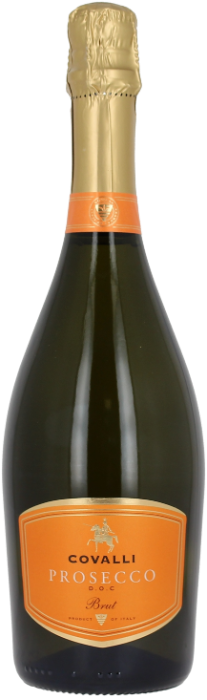
Covalli Prosecco Brut has fine bubbles, a deep golden straw colour and notes of green apple and peach, with good acidity and a full, well-balanced body. See the wine.
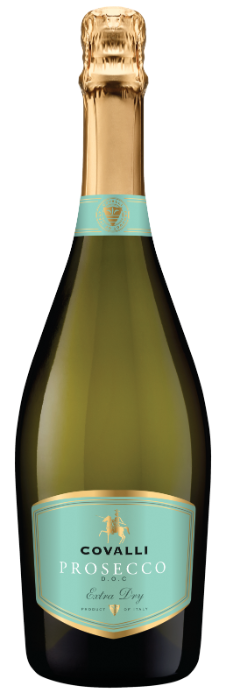
Covalli Prosecco Extra Dry is golden straw with a gentle, elegant perlage, citrus and flowers on the nose, and fresh apple on a palate with balanced acidity and a persistent finish. See the wine.
Prosecco Rosé
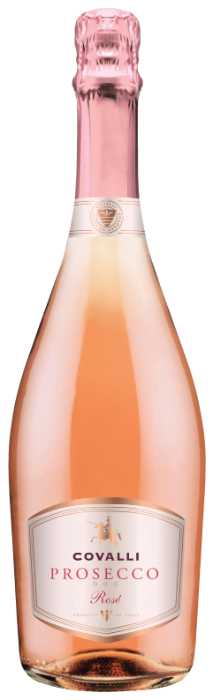
Prosecco Rosé is the newest style of the denomination. It is made from Glera with a small share of Pinot Nero, which gives the colour. Covalli Prosecco Rosé is 88% Glera and 12% Pinot Nero: pale, bright pink, with a lively perlage, white and red flowers, apple and pear, and hints of strawberry and raspberry. See the wine.
Without alcohol
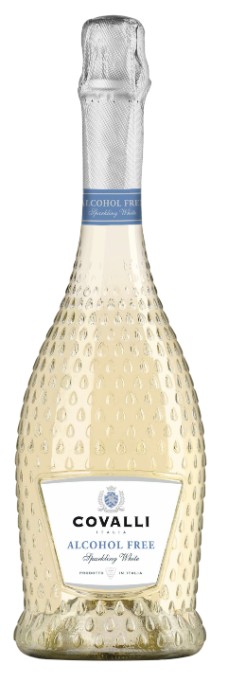
Covalli Zero Sparkling is a de-alcoholised sparkling made from Chardonnay and Moscato, for the same occasions as Prosecco. It is warm straw yellow, floral, with fresh apple and subtle hints of yeast and toast. See the wine.
Serving
Serve Prosecco cold, at 6 to 8 °C, in a tulip-shaped glass, which holds the bubbles and the scent better than a narrow flute. It is the natural aperitivo, and it suits appetisers, light vegetable courses, salmon antipasti and seafood pasta.