Piemonte
Nebbiolo, Barbera, Dolcetto and Cortese from the hills of Alba, Asti and Gavi. Clayey, calcareous soils; long maturation in large oak.
Barolo DOCG · Barbaresco DOCGVeneto
Corvina Veronese, Corvinone and Rondinella dried in ventilated rooms on the hills north of Verona. Glera from Treviso, Padova and Venice.
Amarone DOCG · Prosecco DOCThe groundThe guarantee is the denomination.
A denomination is a rule set: where the grapes may grow, which grape may be planted, and how long the wine must rest before it may be sold. These are the rules the range is built on.
 Piemonte
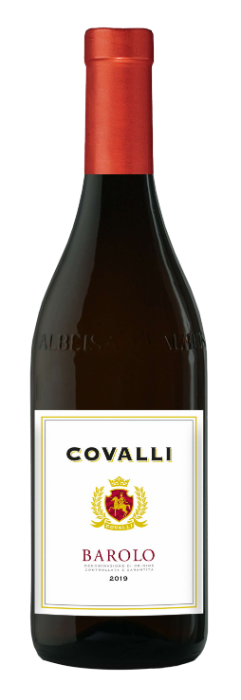
Barolo
The longest wait in the house: Nebbiolo held in cellar until the tannins turn velvety.
Barolo DOCGThe production area runs across Barolo, Serralunga d’Alba and Castiglione Falletto, with parts of La Morra, Monforte, Verduno, Novello, Grinzane Cavour, Diano d’Alba, Cherasco and Roddi. Extended ageing is mandatory before release.
 Piemonte
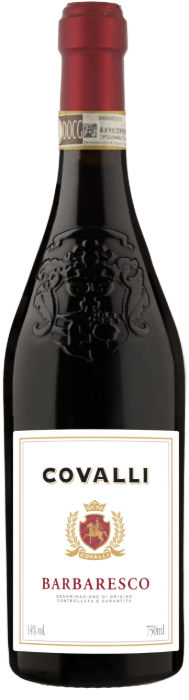
Barbaresco
Nebbiolo from Barbaresco and Neive, two years older than the vintage on the label before it is poured.
Barbaresco DOCGBarbaresco, Neive, Treiso and part of Alba. A minimum of two years’ ageing, of which at least nine months in oak, and longer again for Riserva.
 Piemonte
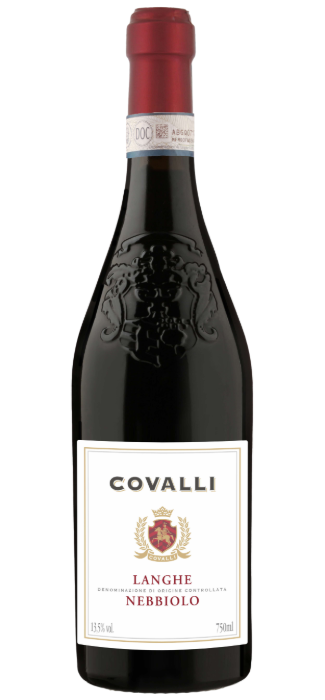
Langhe Nebbiolo
Nebbiolo without the wait. The Langhe bottling to open on a weeknight.
Langhe DOCNinety-six municipalities. The denomination exists so that growers can allocate their Nebbiolo by quality and by the bottling it is intended for.
 Piemonte
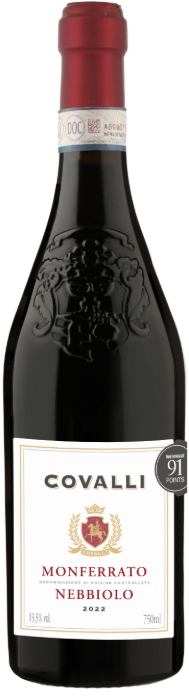
Monferrato Nebbiolo
Nebbiolo and Barbera off an old sea floor, built for the table rather than the cellar.
Monferrato DOCHill country left behind by the retreat of the sea from what became the Po valley. The older white soils give fuller, longer-lived wines; the Asti sands mature faster.
 Piemonte
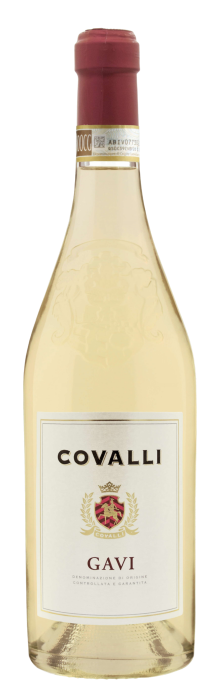
Gavi
Cortese from the marl bands of south-eastern Piemonte. Dry, taut, served cold.
Gavi DOCGRoughly 1,600 hectares across eleven municipalities of south-eastern Piemonte, in three bands: northern red clay and gravel, a central belt of marl and sandstone, white clay marls toward the Apennines.
 Tre Venezie
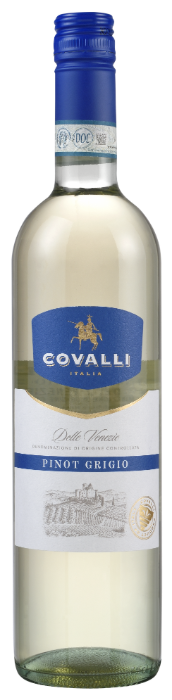
Pinot Grigio
Alpine nights hold the acidity in place. Drink it young and well chilled.
delle Venezie DOCA north-eastern zone shaped by the Adige, Brenta, Piave, Tagliamento and Isonzo. Calcareous deposits, gravel and sand that drain well; Alpine nights hold the acidity in place.
 Veneto
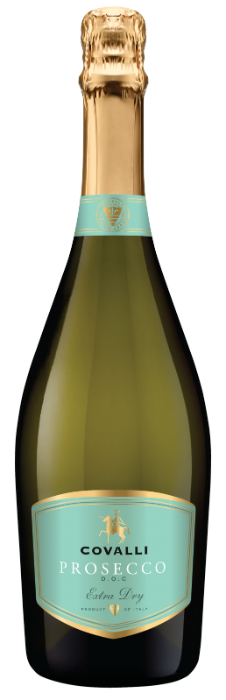
Prosecco Extra Dry
Glera from Treviso, Padova and Venice, poured at 6–8 °C. The house aperitivo.
Prosecco DOCNine provinces across the Veneto and Friuli Venezia Giulia. Largely alluvial, clay-loam soils; the Alps hold off the northern cold and the Adriatic sets the rainfall.
 Veneto
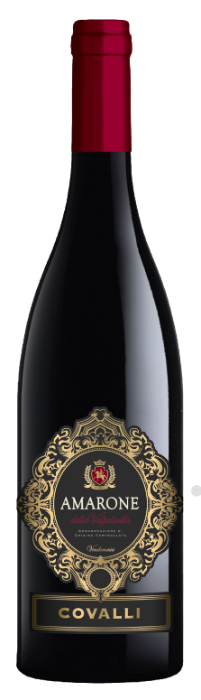
Amarone della Valpolicella
Grapes dried before pressing, on the hills north of Verona. The fullest wine the house makes.
Amarone della Valpolicella DOCGThe hills north of Verona. The grapes are dried before they are pressed, and the finished wine must reach the denomination’s minimum strength before it may be called Amarone.